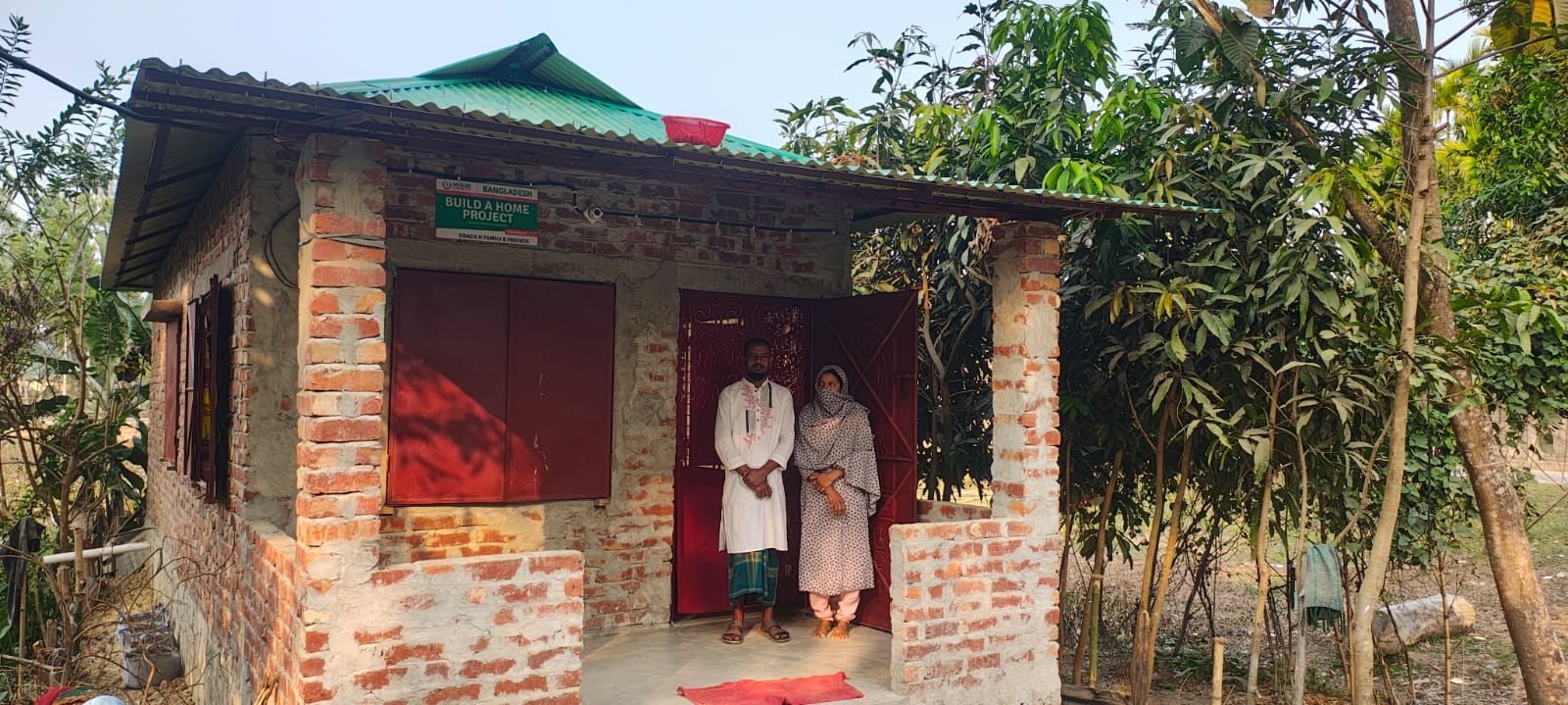
House Construction, Housing Project for marginalised groups in Bangladesh
Housing is one of the most fundamental human needs, providing people with safety, dignity, stability, and a foundation for a better life. However, in Bangladesh, many marginalised and low-income families continue to live in unsafe, overcrowded, and inadequate housing conditions. Poverty, unemployment, natural disasters, climate change, and limited access to affordable housing prevent millions of people from securing a safe and permanent place to live. For these families, owning a decent home remains an unattainable dream.
Prochesta recognises that adequate housing is not merely a matter of providing shelter; it is an essential step towards reducing poverty, improving health, protecting vulnerable communities, and promoting inclusive development. Through house construction and housing development projects, Prochesta aims to support marginalised groups in Bangladesh by helping them access safe, affordable, and sustainable homes. These initiatives can create opportunities for disadvantaged families to rebuild their lives, strengthen their communities, and work towards a more secure future.
Housing Challenges Faced by Marginalised Communities
Bangladesh has made significant progress in economic growth, poverty reduction, and social development. Nevertheless, many people remain vulnerable to housing insecurity, particularly in rural areas, coastal regions, river erosion-prone locations, informal urban settlements, and disaster-affected communities.
The most disadvantaged groups often include landless families, low-income households, people with disabilities, older people without adequate family support, female-headed households, ethnic minority communities, climate-displaced families, and people living in informal settlements. Many depend on irregular daily wages, agricultural labour, small-scale businesses, or other insecure sources of income. As a result, constructing a durable house or purchasing suitable land is financially impossible for them.
Their housing conditions may include fragile bamboo structures, mud walls, damaged roofs, inadequate sanitation, poor ventilation, and limited access to safe drinking water. During heavy rainfall, floods, cyclones, and other natural disasters, these homes can become unsafe or completely uninhabitable. Families may lose their possessions, livelihoods, and sense of security within a short period.
In urban areas, low-income households frequently face overcrowding, high rental costs, inadequate drainage, and poor sanitation. In rural communities, landlessness and limited financial resources often prevent families from improving their living conditions. Addressing these challenges requires coordinated efforts involving non-governmental organisations, government agencies, local communities, development partners, and responsible private-sector organisations.
Prochesta’s Vision for Affordable Housing
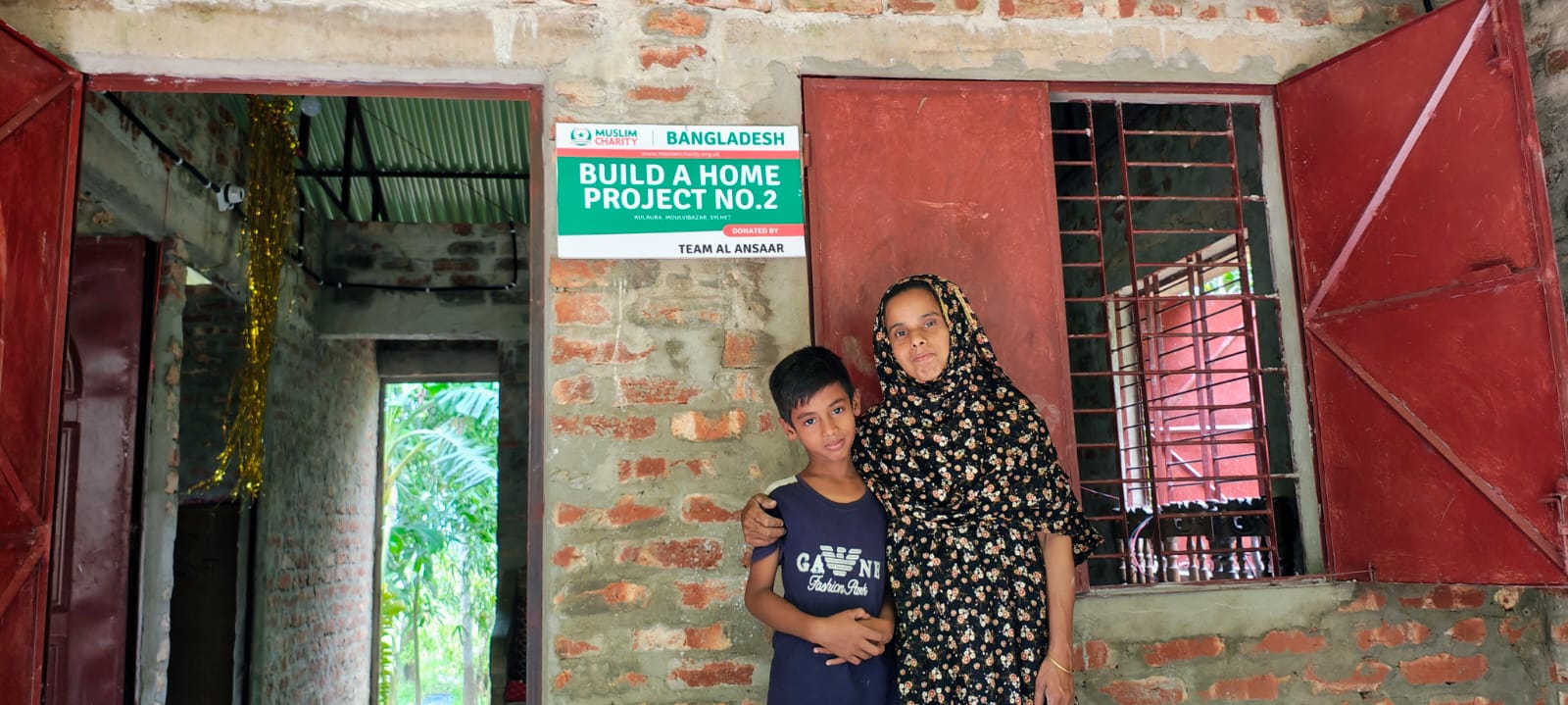
Prochesta envisions a Bangladesh where every disadvantaged family has the opportunity to live in a safe, dignified, and healthy environment. Its housing initiatives can contribute to this vision by prioritising families whose needs are greatest and whose financial circumstances prevent them from accessing adequate shelter.
The primary objective of Prochesta’s house construction and housing projects is to improve living conditions for marginalised groups through affordable, durable, and environmentally responsible housing solutions. The projects can focus on constructing new homes for families living in unsafe conditions, repairing damaged houses, improving existing shelters, and supporting community-based housing development.
Prochesta also aims to promote social inclusion by ensuring that vulnerable households are treated fairly and respectfully throughout the project cycle. Beneficiaries should have meaningful opportunities to participate in decisions concerning their housing needs, design preferences, construction arrangements, and long-term maintenance.
By combining housing assistance with community participation and livelihood support, Prochesta can help families move beyond temporary relief towards lasting social and economic stability.
House Construction for Low-Income Families
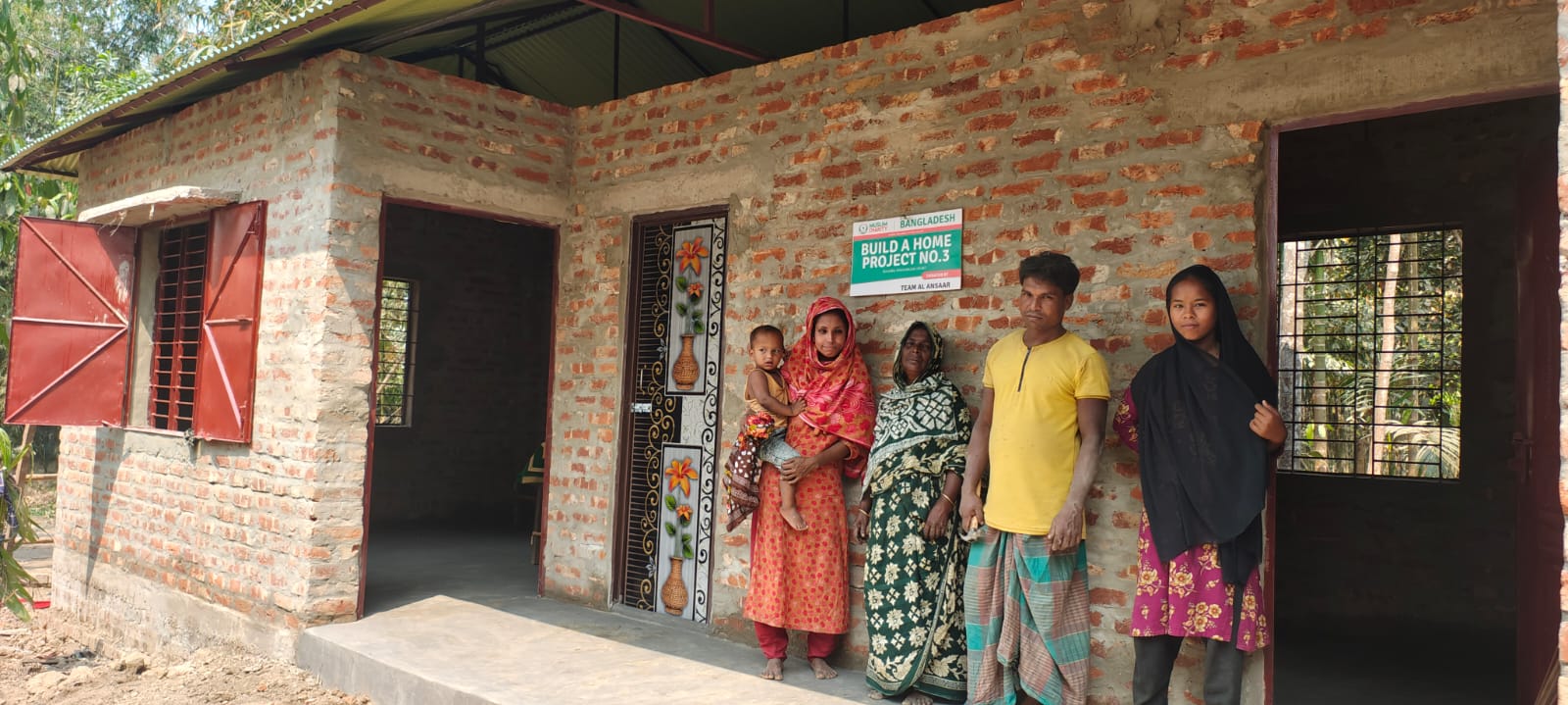
One of the key activities of a housing project is the construction of affordable houses for families who lack access to safe accommodation. Each project should begin with a careful assessment of local housing needs, household income, land availability, environmental risks, and community priorities.
Based on this assessment, Prochesta can develop practical house designs that balance affordability, durability, comfort, and safety. Depending on local conditions and available resources, houses may incorporate strong foundations, weather-resistant walls, durable roofing, proper ventilation, adequate natural lighting, and suitable drainage systems.
Special attention should be given to flood-prone and cyclone-affected areas. Elevated foundations, reinforced structural elements, appropriate roof anchoring, and locally suitable construction materials can help reduce risks associated with extreme weather. Technical professionals should assess designs and ensure compliance with applicable building and safety requirements.
Where feasible, each housing unit should provide sufficient living space, a secure entrance, access to safe drinking water, and appropriate sanitation facilities. Accessibility features should be incorporated for persons with disabilities and older residents.
Prochesta can also explore partnerships with local construction workers, suppliers, engineers, architects, and community organisations to improve construction quality and control costs. Employing local labour where appropriate can generate income opportunities and strengthen the local economy.
Housing Projects for Climate-Vulnerable Communities
Bangladesh is particularly exposed to floods, cyclones, river erosion, storm surges, and other climate-related hazards. These events disproportionately affect low-income households because they often have limited savings, weak housing structures, and few resources for recovery.
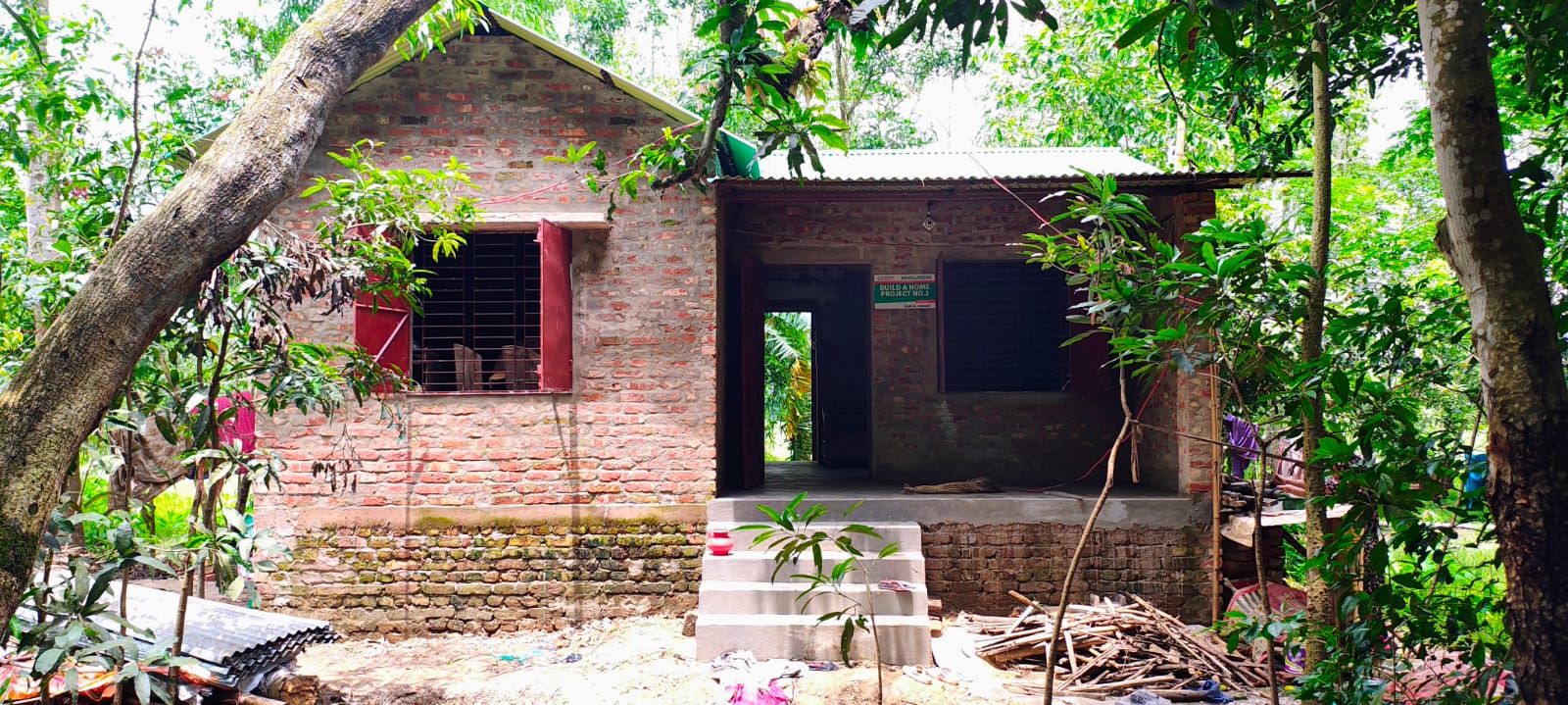
For climate-vulnerable families, housing interventions must address both immediate shelter needs and long-term resilience. Prochesta can prioritise communities affected by recurring disasters and support the construction or rehabilitation of homes in locations assessed as suitable for safe habitation.
In areas where repeated flooding or erosion makes permanent settlement unsafe, housing support should be linked to risk-informed relocation planning, secure land arrangements, and access to essential services. Building houses alone cannot provide lasting protection if families remain exposed to severe environmental hazards.
Disaster-resilient construction, community preparedness, emergency planning, and environmental awareness should therefore form important components of sustainable housing initiatives. These measures can reduce future losses and help families recover more quickly when disasters occur.
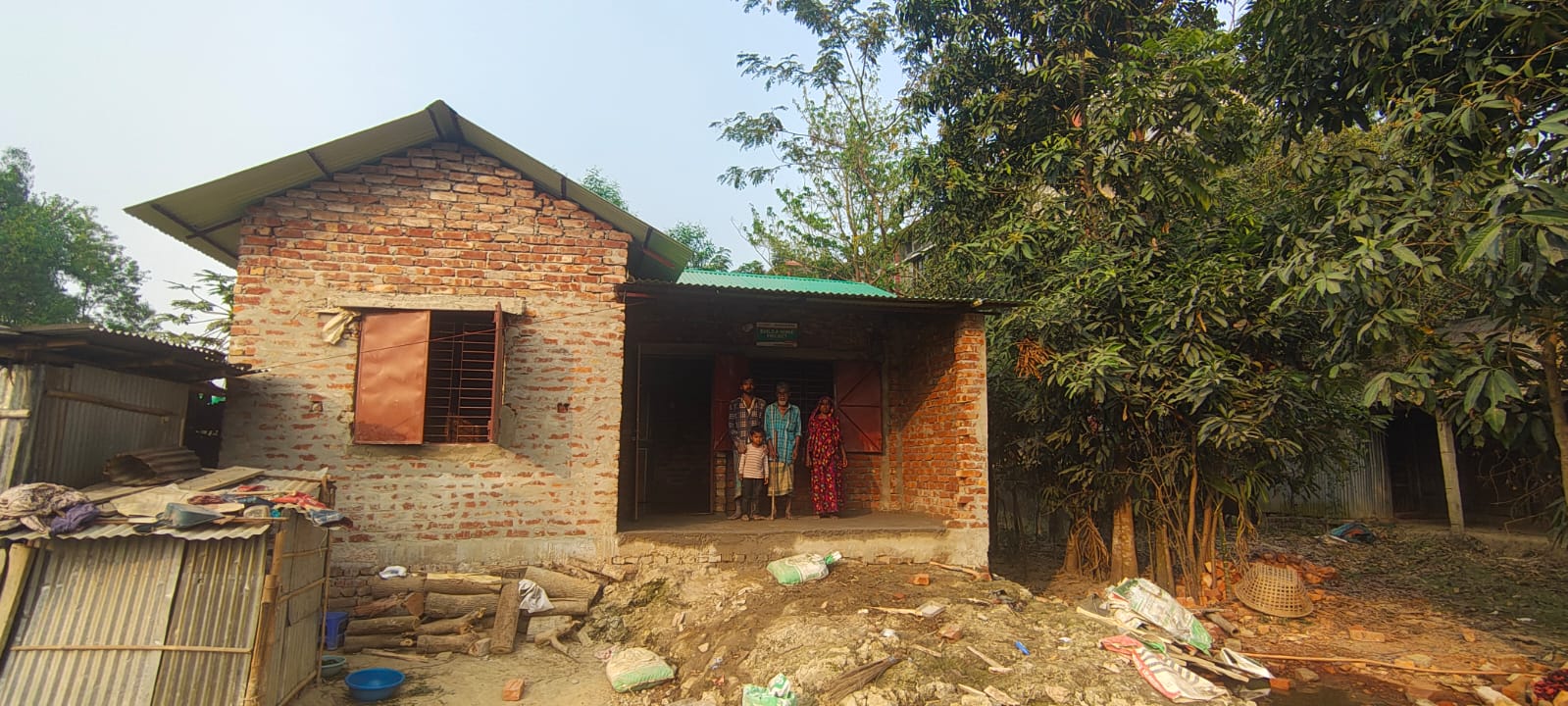
Women, Children, Older People, and Persons with Disabilities
A successful housing programme must recognise that different groups experience housing insecurity in different ways. Women and children may face heightened risks when living in insecure or overcrowded environments. Older people and persons with disabilities may struggle to access essential facilities when homes lack suitable design features.
Prochesta can adopt an inclusive approach by giving priority, according to transparent eligibility criteria, to households facing severe vulnerability. Female-headed households, families caring for persons with disabilities, older people living alone, and households with children in unsafe accommodation may require particular consideration.
Secure housing can improve privacy, personal safety, hygiene, and access to education. For women, stable housing may also provide a stronger foundation for participating in income-generating activities and community decision-making. For children, a safe home offers a better environment for studying, sleeping, and maintaining good health.
Beneficiary selection should be transparent, non-discriminatory, and based on documented needs. Community consultations and accessible complaint mechanisms can help ensure fairness and accountability.
Sustainable and Environmentally Responsible Construction
Long-term affordability depends not only on the initial cost of construction but also on maintenance, energy consumption, and the durability of materials. Prochesta can promote environmentally responsible housing by encouraging the appropriate use of locally available materials, efficient construction methods, natural ventilation, daylight, and rainwater management.
Where technically appropriate, houses may incorporate solar lighting, improved cooking arrangements, rainwater harvesting, or other resource-efficient features. The selection of materials and technologies should reflect local climate conditions, household needs, maintenance capacity, and total life-cycle costs.
Construction projects should also consider sanitation, waste management, drainage, and access to clean water. Without these essential services, even a structurally sound house may fail to provide a healthy living environment.
Training beneficiaries in basic maintenance and providing guidance on protecting homes against common hazards can further improve the long-term value of housing investments.
Community Participation, Partnerships, and Accountability
Sustainable housing development requires cooperation among multiple stakeholders. Prochesta can work with government institutions, local administrations, development agencies, corporate social responsibility programmes, charitable foundations, individual donors, and community-based organisations to mobilise financial and technical resources.
Partnerships can support land assessment, architectural planning, construction supervision, material procurement, beneficiary identification, and post-construction monitoring. Local communities should participate in identifying priorities and monitoring progress to ensure that projects reflect genuine needs.
Transparent financial management is equally important. Project budgets, beneficiary selection criteria, construction standards, procurement procedures, and progress reports should be documented appropriately. Monitoring systems can track the number of houses completed, construction quality, beneficiary satisfaction, access to essential services, and the condition of homes after occupancy.
Regular follow-up visits can help identify repair needs and assess whether the housing intervention has improved family well-being. Feedback from beneficiaries should inform future project design and implementation.
Expected Outcomes and Long-Term Impact
Prochesta’s housing initiatives can generate significant social and economic benefits when implemented effectively. Safe housing can reduce exposure to harsh weather, improve privacy and hygiene, and support better physical and emotional well-being. Children may gain a more stable environment for education, while adults can devote greater attention to employment, small businesses, and other productive activities.
Housing projects can also create local employment through construction, transportation, material supply, and related services. Community participation can strengthen cooperation, promote social responsibility, and encourage collective action to address local development challenges.
Over time, well-planned housing support can help vulnerable households build resilience, protect their limited assets, and reduce their dependence on emergency assistance. These benefits are most likely to be sustained when housing is combined with access to livelihoods, education, healthcare, sanitation, and social protection.
House construction and affordable housing projects represent an important opportunity to improve the lives of marginalised groups in Bangladesh. A safe home provides more than physical shelter; it creates a foundation for dignity, security, family well-being, and future development.
Through its commitment to inclusive and sustainable development, Prochesta can contribute to a future in which disadvantaged families have greater opportunities to live in safe and healthy environments. By prioritising vulnerable households, promoting climate-resilient construction, encouraging community participation, and maintaining transparency and accountability, Prochesta can help turn the dream of a secure home into a realistic possibility for families in need.
With the combined support of donors, development partners, government institutions, local communities, and socially responsible organisations, these housing initiatives can contribute to a more equitable and resilient Bangladesh. Every safe home built is an investment in human dignity, community strength, and a better future for generations to come.