Civic Engagement Fund (CEF) | Barlekha, Moulvibazar, Bangladesh
Promoting inclusive civic engagement, equitable public services, gender equality and climate justice
| Project | Nagarik Shamannay Project (NSP) |
| Programme / Fund | Nagorikata: Civic Engagement Fund (CEF) |
| Lead Implementing Organisation | Dnet |
| Local Partner in Barlekha | Prochesta |
1. Project Overview
The Nagarik Shamannay Project (NSP) is a civic empowerment initiative working to strengthen the capacity of civil society organisations and support marginalised communities in Moulvibazar District, Bangladesh. The project focuses on civic rights, access to public services, gender equality, climate justice, environmental rights, good governance and accountability. In Barlekha Upazila, Prochesta works as the local partner, while Dnet is the lead implementing organisation under the Nagorikata: Civic Engagement Fund (CEF).
The project seeks to strengthen communication and coordination between citizens, civil society organisations and public institutions so that community concerns can be identified, communicated to relevant authorities and addressed through collective engagement and advocacy.
2. Vision
A just, inclusive and accountable society where every person—especially women and marginalised communities—can exercise their rights, participate meaningfully in local decision-making, access public services fairly and contribute to environmental protection and climate resilience.
3. Mission
To empower citizens and strengthen civil society organisations through awareness, capacity development, coordination, evidence-based advocacy and constructive engagement with public institutions, advancing equal rights, fair access to services, gender equality, good governance and climate justice.
4. Overall Goal
To strengthen the capacity of civil society organisations to promote the rights, representation and access to public services of marginalised communities—particularly women—living around Key Biodiversity Areas (KBAs) in Moulvibazar District.
5. Specific Objectives
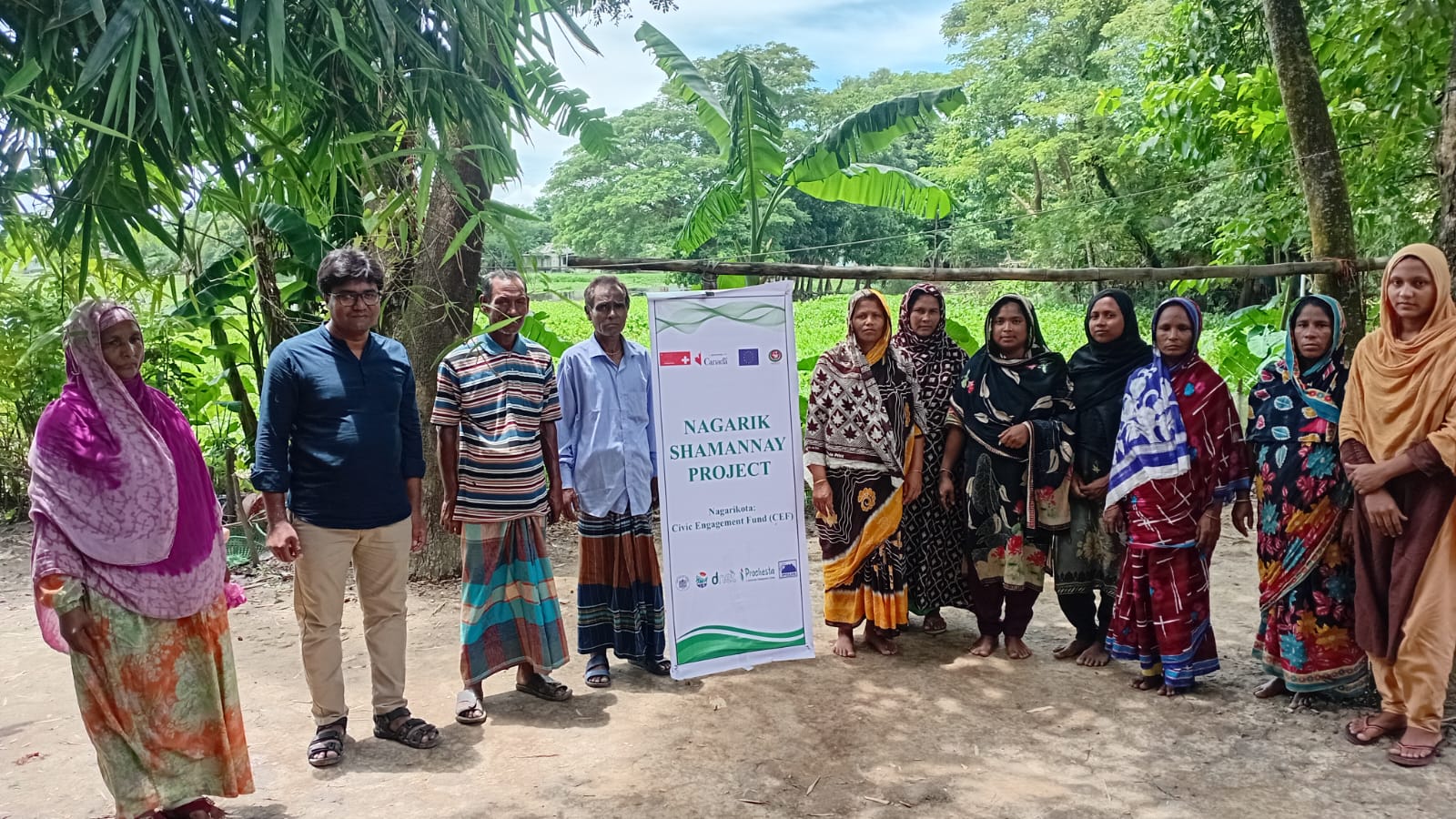
- Increase community awareness of civic rights, public services, social protection programmes, gender equality, good governance and climate justice.
- Build the organisational capacity of civil society organisations (CSOs), community-based organisations (CBOs), women’s groups and youth groups to engage in civic action and advocacy.
- Promote meaningful participation of women, young people and marginalised groups in community initiatives and local decision-making.
- Improve coordination, communication and knowledge-sharing among citizens, CSOs, CBOs, public institutions and other relevant stakeholders.
- Identify barriers, irregularities and discrimination affecting access to public services, and communicate community concerns to the relevant authorities.
- Strengthen social accountability and constructive dialogue between citizens, civil society and public institutions.
- Promote environmental rights and climate justice by highlighting the challenges faced by communities affected by floods, flash floods, landslides and other climate-related risks.
- Support inclusive community-led problem identification, collective action and evidence-informed advocacy.
6. Core Areas of Work
| Core Area | Description |
| Civic Awareness and Engagement | Facilitate community sessions on rights, public services, governance, equality and civic participation. |
| Civil Society Capacity Development | Strengthen the skills and organisational capacity of CSOs, CBOs, women’s groups and youth groups. |
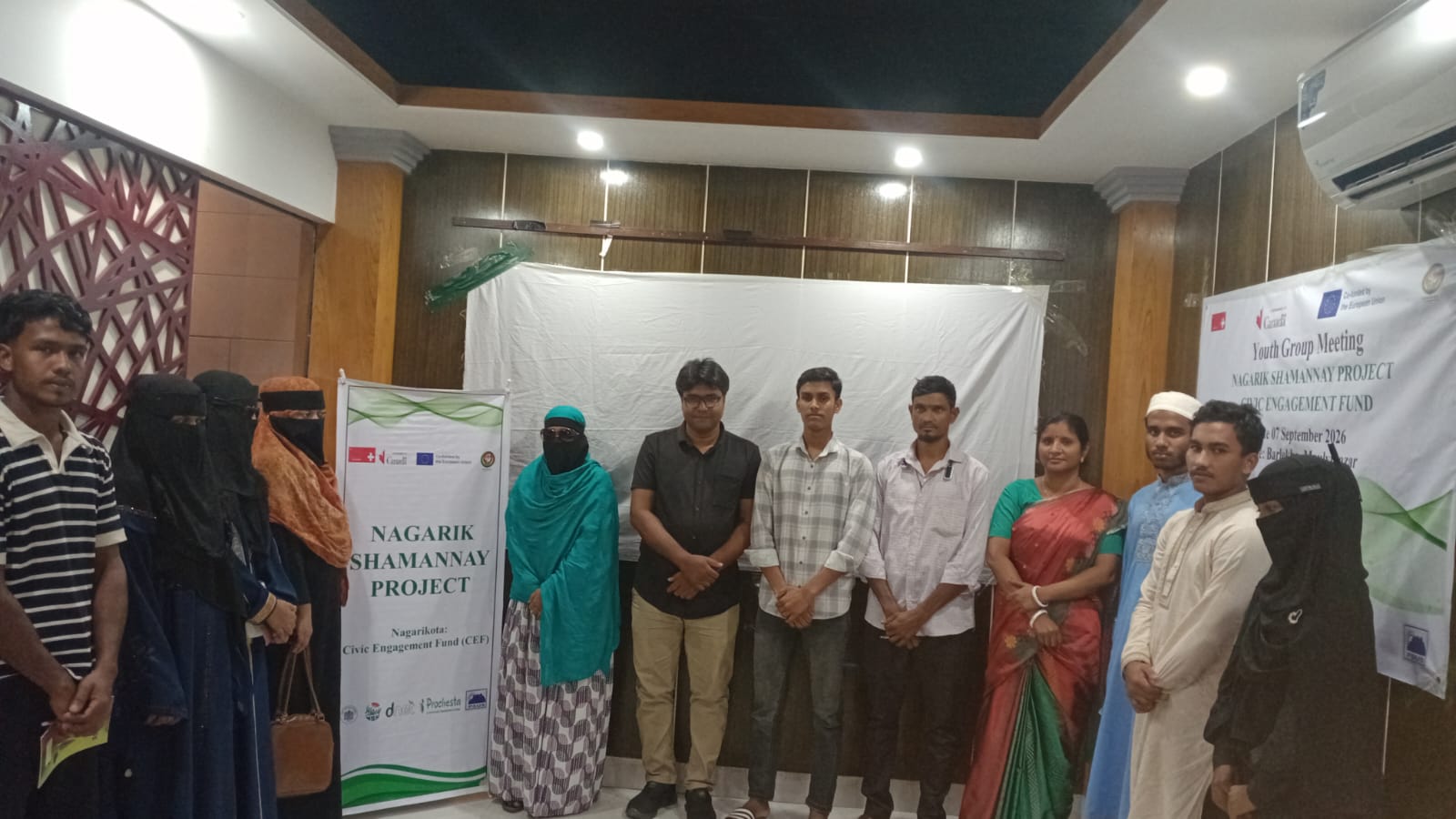
| Youth Participation and Leadership | Encourage young people to identify local issues, take leadership and contribute to community solutions. |
| Coordination and Knowledge Sharing | Improve information exchange and collaboration among community groups, civil society and public institutions. |
| Public Service Access and Social Accountability | Identify service-access barriers and support citizens to raise concerns with responsible offices. |
| Gender Equality and Inclusion | Address gender-based discrimination and support participation and representation of women and other marginalised groups. |
| Climate Justice and Environmental Rights | Bring community experiences of climate-related risks and environmental concerns into local discussion and advocacy. |
| Advocacy and Policy Dialogue | Present community priorities to relevant stakeholders and promote dialogue on practical responses. |
7. Key Project Activities
- Community Engagement and Awareness Sessions
- Youth Group Meetings
- Capacity-Building Training
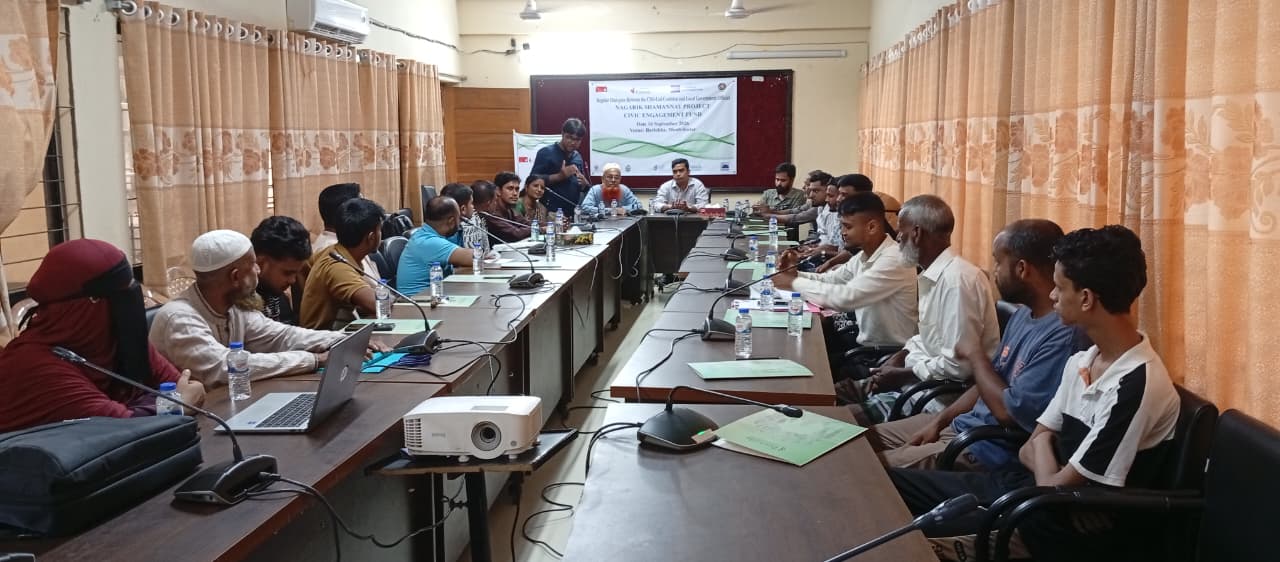
- Stakeholder Meetings and Coordination
- Advocacy and Policy Dialogue
- Social Accountability and Public Service Monitoring
- Gender Equality and Climate Justice Activities
- Needs Assessment and Community Problem Identification
8. Target Groups and Stakeholders
| Target Group | Project Focus |
| Women and adolescent girls | Rights awareness, equality and participation in decision-making. |
| Young women and men | Leadership, civic awareness and community initiatives. |
| Ethnic minority communities | Representation, rights and access to public services. |
| Tea workers and other marginalised communities | Identifying discrimination and promoting fair access to services. |
| Persons with disabilities | Inclusive participation and addressing barriers to services. |
| CSOs and CBOs | Organisational capacity, coordination and advocacy. |
| Public institutions and local authorities | Communication, cooperation and accountability in responding to citizens’ concerns. |
9. Expected Results
- Community members have improved knowledge of their rights and available public services.
- CSOs, CBOs, women’s groups and youth groups have stronger capacity to coordinate, engage and advocate.
- Women, young people and marginalised groups participate more meaningfully in civic and local development processes.
- Community service-related concerns and barriers are better documented and communicated to relevant authorities.
- Coordination and information-sharing between communities, civil society and public institutions are strengthened.
- Local discussions and advocacy give greater consideration to gender equality, environmental rights and climate-related risks.
10. Documentation, Monitoring and Learning
Project activities should be documented in accordance with project requirements. Records may include meeting and training reports, participant numbers and profiles, key discussion points, community issues identified, recommendations, follow-up actions and lessons learned. This information can support activity monitoring, reporting, coordination and evidence-based advocacy.
11. Implementing and Funding Partners
The provided project brief identifies Dnet as the lead implementing organisation and Prochesta as the local partner in Barlekha Upazila. It lists the Swiss Agency for Development and Cooperation (SDC), Global Affairs Canada (GAC) and the European Union (EU) in connection with the programme’s funding.
12. Project Approach and Values
Inclusion: Prioritising the participation and voices of marginalised groups.
Gender Equality: Promoting equal rights, representation and opportunities.
Participation: Supporting citizens to take part in local development and decision-making.
Accountability: Encouraging constructive engagement between communities and public institutions.
Collaboration: Building coordination among civil society, community groups and authorities.
Climate and Environmental Justice: Recognising the rights and concerns of communities affected by environmental and climate-related risks.